
“The right tools and the right tribe” – Georgia’s story
11/12/2025

Georgia shares how she better managed borderline personality disorder (BPD) through DBT (dialectical behaviour therapy), Rethink Mental Illness’ advice and information online and self-compassion.
For as long as I can remember, I struggled with intense emotions. My reactions often seemed “too much” for others. Over time I believed there was something inherently wrong with me – that I was broken, different and not accepted by the world.
For years, I battled anxiety, depression and very low self-esteem, engaging in harmful behaviours and toxic relationships which furthered my inner chaos. I didn’t have a secure sense of self and was terrified to be alone or single, even though being in unhealthy relationships increased my suffering. I had traditional talking therapy since I was 18, but continued to feel stuck and nothing ever changed or got better.
When I first sought help from the NHS, I was referred to a psychiatrist, but was rejected because I wasn’t suicidal at the time. I became obsessed with self-help; spent a lot of time and money researching how to “fix” myself and what is “wrong with me”.
-
Rethink’s advice and information about BPD helped me to make sense of my experience
It wasn’t until last year, when I was 30 years old, that I was diagnosed with BPD. For the first time, everything made sense. However, the journey to get there wasn’t easy. It was only when I was offered private healthcare through my workplace, that I was eventually diagnosed and referred for DBT. I often think about how many people are suffering and not as lucky as I was to get this life-changing treatment.
DBT changed my life completely. It was delivered in group sessions, so I met people who felt emotions as deeply as I did. Being part of that group helped me realise that I wasn’t broken after all – I was human. I was unique, sensitive, deeply emotional, and that didn’t make me “too much”. I was accepted by people who truly understood me. For the first time in my life, I felt like I belonged.
DBT taught me practical skills to regulate my emotions and understand what was happening in my body. I learnt that emotions aren’t enemies, they’re signals. With the right skills, they can be managed, not feared.
-
It wasn’t until last year, when I was 30 years old, that I was diagnosed with BPD
There are four key modules in DBT that have become the foundation of my healing:
- Mindfulness – to stay grounded in the present moment
- Distress tolerance – to survive emotional storms without making things worse
- Emotional regulation – to understand and manage my feelings
- Interpersonal effectiveness – to communicate healthily and build boundaries
Slowly I began to build trust in myself, identify my values, respond rather than react, communicate effectively and uphold boundaries.
Rethink’s advice and information about BPD helped me to make sense of my experience and see that recovery is possible. I learnt about somatic techniques – practices that focus on calming the nervous system through the body, rather than just thinking with the mind. This really helped me to find safety within and feel grounded.
-
You are not too much, too broken, or beyond help
Today, life feels calmer. I still have ups and downs, but I have tools, awareness and self-compassion. My relationships are healthier and I’ve built a sense of self-trust I once thought was impossible.
Even though DBT is a specialist treatment originally designed for BPD, I believe the skills can be helpful to anyone that struggles with any unhealthy or harmful behaviours.
Now, I’m passionate about raising awareness of BPD and DBT, and sharing the tools that have helped me, especially for those who can’t access the treatment. I’ve started sharing my story online and would love to move into the mental health profession to give others hope; to show that recovery is absolutely possible.
If you’re struggling to get help, please don’t give up. The right support can make all the difference. You are not too much, too broken, or beyond help. You just need the right tools and the right tribe.
You may also be interested in

“A problem shared is a problem halved” – Joshua’s story
Joshua is currently in a psychiatric unit for young people, getting treatment for anxiety and depression. He shares his favourite DBT (dialectic behavioural therapy) skills when managing distress.
Read more Read more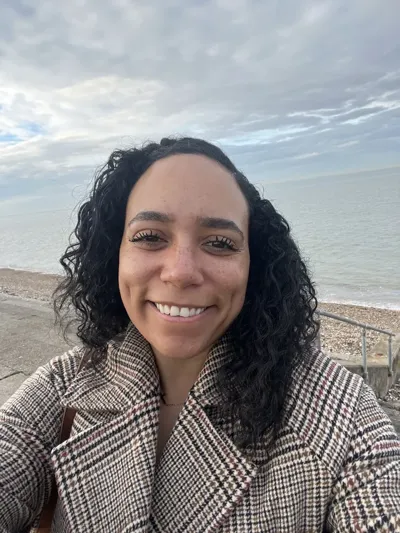
“I have the right to feel” – Iona’s story
Iona sheds light on living with a form of borderline personality disorder (BPD) where emotional distress or intensity is directed inwards. By practicing self-compassion and acceptance, Iona is able to have more peaceful days.
Read more Read more