
What are stigma and discrimination?
Stigma is when someone has a negative attitude about someone else for a specific reason. Discrimination is when someone is treated unfairly because of that reason.
Many people living with severe mental illness experience stigma and discrimination. It can come from:
- The person themselves – their own beliefs and concerns about their condition.
- Their community – how their friends, family, work colleagues and others might judge mental illness.
- Institutions – where professional rules or practices treat people with a severe mental illness differently to those without.
Why do stigma and discrimination matter?
Stigma and discrimination can be devastating to a person’s life. It can prevent people getting the treatment and support they need to manage their illness and cause them to feel worse about themselves.
In May 2021, 88% of people living with severe mental illness reported that discrimination is still widespread in the UK. Read the full survey results.
Two years later, three in five people said the fear of how they would be perceived by others stopped them seeking support in our survey of 1,300 people living with conditions such as bipolar disorder, schizophrenia, eating disorders and personality disorders. Read our Stigma Effect survey results.
Stories of Stigma and Discrimination

“He thought his daughter was in danger with me”
After experiencing mental illness for most of her life, Kaz was brought to crisis point. She shares how stigma harmed her relationship with her brother.
Read Kaz's story
“She cancelled the job offer”
After experiencing her first episode of schizophrenia, Desislava was then sadly met with stigma and discrimination when job hunting.
Read Desislava's story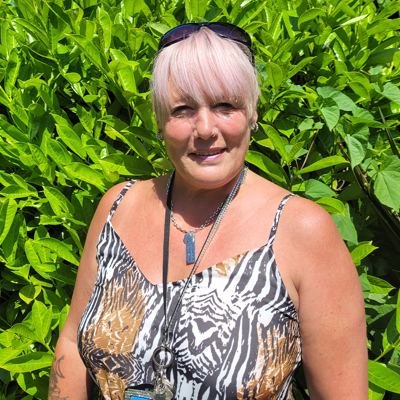
"The shame was overwhelming"
After being diagnosed with severe mental illnesses in her 30s, TJ suffered discrimination from employers. Now in her 50s, she works for Rethink Mental Illness and can talk openly about her mental health.
Read TJ's StoryPlay your part in tackling stigma
A key part of our mission to deliver a better life for people severely affected by mental illness is breaking down stigma.
But to break down stigma, we first need to challenge our misconceptions and understand the reality of living with a serious mental health condition.
Download our free guide to better understand mental illness and play your part in tackling stigma.
Discrimination and Mental Illness
People can experience multiple forms of discrimination linked to different characteristics, such as their disability and ethnicity.
These factors can interact with each other to create intersectional forms of discrimination. As a result, some communities have higher rates of mental illness and can face unique barriers to accessing support.
Find out more on our pages about LGBT+ mental health and ethnic minorities and mental health.
The Equality Act
The Equality Act protects you from discrimination at work.
It also protects you when applying for jobs and when using other services like trying to get housing or education.
Previous Campaigns on Stigma and Discrimination

Time to Change
Time to Change was a 15-year-long anti-stigma and discrimination campaign we ran, alongside Mind, which transformed the way we think about mental health in England.
#LetsRethink campaign launched to end stigma
Over a third of UK adults say they wouldn’t feel comfortable in the presence of someone they believe is experiencing severe mental illness. This must change.
Read more
Schizophrenia in Film
Film and television can shape people's attitudes. We explored how the framing of schizophrenia has changed in the box office and what impact that has on people living with the condition.
Read the blog
Psychosis Education
In 2022 we launched a national campaign to raise awareness of psychosis and the importance of early intervention, and outlined three recommendations for the government to improve support.
Read our recommendations